
May 2025 Top Talk
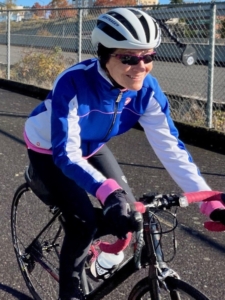
Many of us have led many rides over many years. Our youthful enthusiasm and idealism is slightly diminished. But new and inexperienced riders continue to join us on our rides, and each of them needs our best ride leader self.
Let’s hit the refresh button and try to regenerate that initial enthusiasm we had initially.
If you haven’t led a ride yet, spring and summer may be a good time to give it a try. Log into our PBC website, and in the upper right corner use the pulldown menu to get to Ride Leader Info. This is an excellent overview of all you need to know. ✎
I know that some clubs have actual training for ride leaders. We do not. My opinion is that you all seem to be a pretty bright group and can read, ask questions, observe others; and you know what you like from a ride leader, so you can build on that.
That’s just my opinion, but if some of you express to our road captains that you need a formal “class” to become a ride leader, we will make it happen. Maybe we’ll do it on Zoom, so you can stay home.
Generally, here is what to do as a ride leader:
- Create a route yourself, or look at our PBC Map Library for a route that you like.
- The Ride Leader Info has easy links to get you to the page from which you submit your ride online. It’s easy. The first time may be a little challenging only because you are new to it and didn’t anticipate the information you need to share.
- Once you submit the ride, our road captains check it out and will approve it if everything is good. They would reach out to you if you made a mistake, forgot something, or something doesn’t match up. Our road captains are perfectionists – which is good – we want riders to know exactly what our ride is and where it starts.
As a ride leader you should:
- Introduce yourself. Discuss the difference between group and non-group rides and explain how your ride is going to work. Ask for questions and concerns. If you are leading a smaller ride, it’s hospitable to have everyone introduce themselves (if it’s an extremely large group that gets a little cumbersome). Ask if there are any new riders, and modify your approach to them so they are comfortable and feel welcome. Sometimes it’s helpful to have new riders identify themselves and experienced riders identify themselves. That way, they can seek each other out along the ride.
- Review the route with your riders. Remember, all NON-GROUP rides must have a map. If you don’t have a map, the ride becomes a group ride. You cannot send riders out without some means of knowing the course. If that is a piece of paper with a map on it or a cue sheet, great. If you don’t have that then you, the ride leader, must become their personal route guide.
- Talk about bike laws and what “Car Back” means. Go over some of the rules of the road like not passing on the right. Mention at least one applicable bike law or helpful protocol.
If you aren’t a ride leader on a particular ride, please break free for a few minutes from catching up with your friends and reach out to new riders. Introduce yourself. Ask them questions. Share your expertise. Encourage them. Make them feel welcome.
It’s the human element that brings people back. We have a lot of wonderful people in our club, so please reach out to new people and help them enjoy the sport of cycling as we do.
While these are some guidelines for leading rides, I encourage you to make the job your own. Bring your own personality into it, and make it fun for you!
If you have questions, ask our road captains (login required) or one of our regular ride leaders for some help. They will be happy to mentor you.
Ann Morrow, President
To read the Quick Releases newsletter associated with the May 2025 Top Talk, go to Table of Contents.