Watch Out for These Toxic Plants!
By Lynn Blanchard
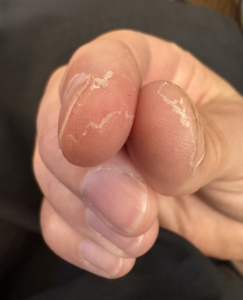 At the end of a bike ride one day in June, I noticed new blisters on the tips of my index finger and thumb. I thought, “That’s odd. They weren’t there this morning. Where did they come from?” Later, when posting my photos of the ride to Multnomah Falls, I made the connection. I thought I was taking a picture of Queen Anne’s Lace, but it turned out to be Cow Parsnip – which is mildly phototoxic.
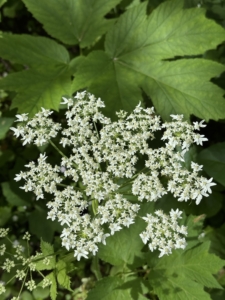
Before I took the picture, I had removed two pine needles from the top of the blossom using my first finger and thumb like tweezers for that perfect, unblemished shot. What I didn’t realize was that a bit of sap may have transferred to my fingers, and oblivious I continued my ride. The next day’s ride exposed my digits to UV light, activating furanocoumarins in the sap. The result: delayed blisters and peeling, even though I hadn’t felt anything at first.
Summer brings peak wildflower season – and peak “Oops, accidentally tangled with the wrong plant” season. There are plants that it is best to avoid on a bike ride in our area. These can irritate your skin if you brush them while taking pictures or if you lean your bike against the greenery.
The ones you are most likely to encounter:
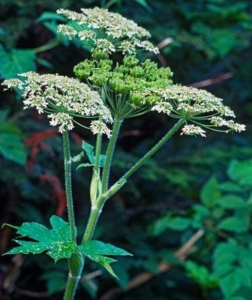
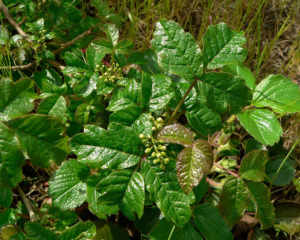
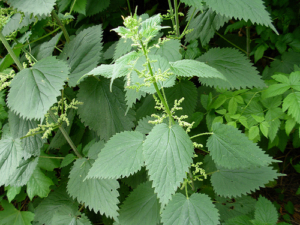
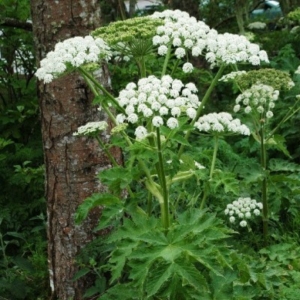
Another one you may encounter on the Historic Columbia River Highway is Giant Hogweed. It’s rare because it’s aggressively removed when found. It looks like Cow Parsnip but is much larger (10-14 feet). The sap can cause severe burns, so keep your distance and report it if spotted.
Have fun out there on your summer rides! Enjoy the weather and the wildflowers, but play it safe when it comes to these toxic plants.