
Tubeless Tires
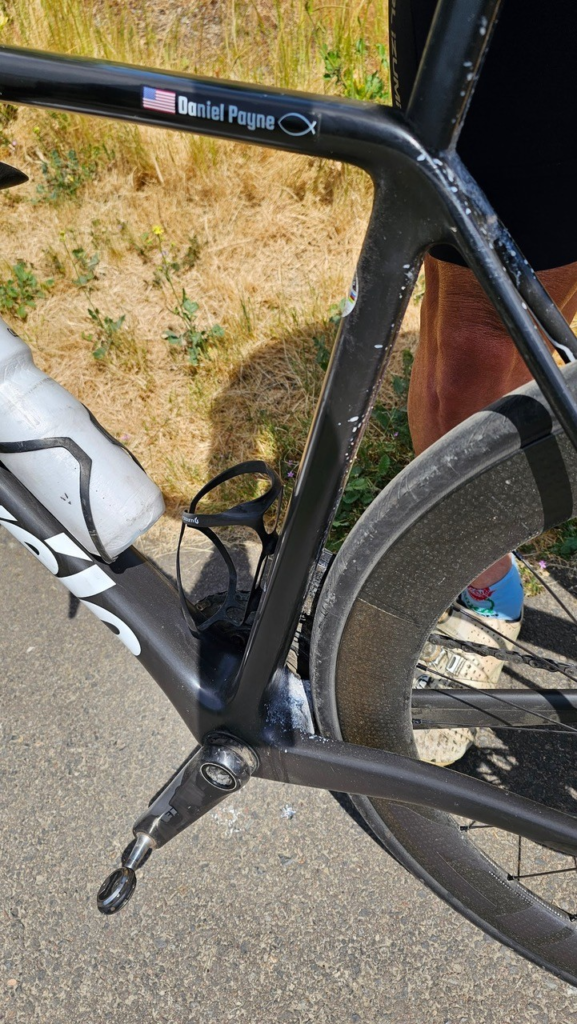 I got back into cycling in 2013 as a way to lose weight, and my trusty steel-frame road bike from the 1970s had something like 21mm tube tires on it. Within a year I upgraded to my first carbon frame bike which came with 23mm tube tires, and I was riding 6,700 miles in 2014. The problem was that I typically experienced over a dozen flats per year. By 2016 I was logging 16,000 miles per year on 25mm tubed tires and getting over 20 flats per year, ugh, not fun. Yes, I tried running Gatorskin tires, 4 Seasons tires, and even switched tube vendors but still no reduction in those pesky flats.
COVID struck and I finally upgraded in 2022 to a road bike with 28mm tubeless tires. Immediately I felt how much softer the road feel was on 28mm tubeless tires, because I only used 70 psi on the rear tire and 60 psi on the front tire, a far cry from 110 psi on the old 23mm tubed tires. Yes, there’s a learning curve with tubeless, like figuring out which sealant works best for road bikes. I settled on the Orange brand after trying six different kinds. I still have to carry a tube with me, because a sidewall gash will never seal, because the sealant doesn’t reach the sidewalls at all. In 2022 I only had 7 flats with tubeless in 16,000 miles, while in 2021 with tubes I had 19 flats, so tubeless was a big improvement for me. ✎
Riding tubeless now there are times that I feel the sudden spray of sealant on my calves as a puncture in the tire happens, so I typically stop the bike, take a look at the size of the hole and usually just point the leak downwards, so that the sealant can do its job of plugging up the puncture within 10-20 seconds or so. They do sell tubeless plug kits where you push a piece of “bacon” into the larger gash to help the puncture seal up, but I don’t use these, while some of my tubeless buddies enjoy using them. When the gash is too large to seal by itself, then I let all the air out of the tire, remove the tubeless stem, and insert my spare tube like a normal tube replacement. Yes, it does take a little longer to put a tube in a tubeless setup, but I can handle doing that a handful of times over 16,000 miles.
One other maintenance step with tubeless is to top off the sealant, because it tends to evaporate, even inside of the tire. I top off my sealant every month, just to be on the safe side. When you go tubeless make sure that your tires are “tubeless ready”, because not all tires can be used for tubeless. When I have to replace a tubeless tire at home, it requires more work than tubed tires, so my steps are:
- Remove the wheel
- Let the air out
- Remove the tire
- Place the old sealant in the garbage, being careful not to spill everywhere
- Examine the rim tape to ensure that it’s still airtight, replace if needed
- Seat the new tire on the rim
- Remove the stem core, because we’re going to use high pressure air
- Pump up a high-pressure canister to 140 psi
- Connect the canister to the stem
- Quickly inflate the new tire to make it properly seat on the rim, it makes a pop, pop sound
- Remove the high-pressure connection, add in the stem core, inflate tire to desired psi
- Pick up the wheel and swish the sealant around all 360 degrees, both sides
- Place the wheel on the bike
Yeah, so I spend more time in the garage maintaining my tubeless tires compared to the tubed tires, but out on the road I’m having fewer flats and enjoy riding longer between flats. Many mountain bikers and cyclocross riders use tubeless, and the road-bike crowd is still split on the benefits of tubeless. My racing buddies use tubeless, because the wheels roll faster than tubed. I use tubeless because I get fewer flats that require me to stop and use a tube. Happy miles, my friends, tubeless or tubed!
Daniel Payne, Club Member